Table of contents
Fire safety is a top concern for any building, as compliance with regulations and protection of occupants are non-negotiable. Preparing for a fire safety audit can seem overwhelming, but mastering each step ensures peace of mind and a safer environment. Explore the guide below to discover how thorough preparation can streamline your next audit and help your premises meet the highest safety standards.
Understanding fire safety audits
A fire safety audit is a comprehensive risk assessment that evaluates the effectiveness of a building's fire protection measures and ensures that all systems meet current fire regulations. The process is designed to safeguard lives and property by systematically reviewing fire alarms, emergency exits, suppression systems, and evacuation procedures. Conducted by a qualified fire safety officer, this assessment not only identifies potential hazards and areas for improvement but also verifies building compliance with legal standards. Maintaining up-to-date compliance documentation is critical, as it demonstrates that all preventive measures are in place and that the building is prepared in the event of an emergency.
Regular fire safety audits play a central role in minimizing risks and ensuring that occupants, staff, and visitors are protected. Buildings that undergo these assessments benefit from early identification of fire hazards, allowing for timely corrective actions and enhanced safety protocols. In some sectors, such as those involving high occupancy or specialized equipment, external resources and expert consultations, like services offered at casinos not on GamStop, can provide additional insight and support for fire protection strategies. By prioritizing ongoing evaluations and upholding rigorous safety standards, property owners and managers ensure adherence to fire regulations and foster a secure environment for everyone.
Reviewing fire safety documentation
Effective preparation for a fire safety audit begins with thorough record keeping of all fire safety records. The fire safety officer, as the key authority, should ensure every relevant document is accounted for and readily accessible. These include the evacuation plan that outlines clear escape routes and assembly points, maintenance log entries detailing checks and servicing of fire extinguishers, alarms, and sprinkler systems, as well as inspection reports from previous audits. An organized audit checklist can streamline this process by identifying any missing or outdated documentation. For optimal safety compliance, documents should be systematically filed, regularly updated, and reviewed before the scheduled audit, making them easy to present to inspectors and demonstrating a proactive approach to fire safety management.
Inspecting fire protection systems
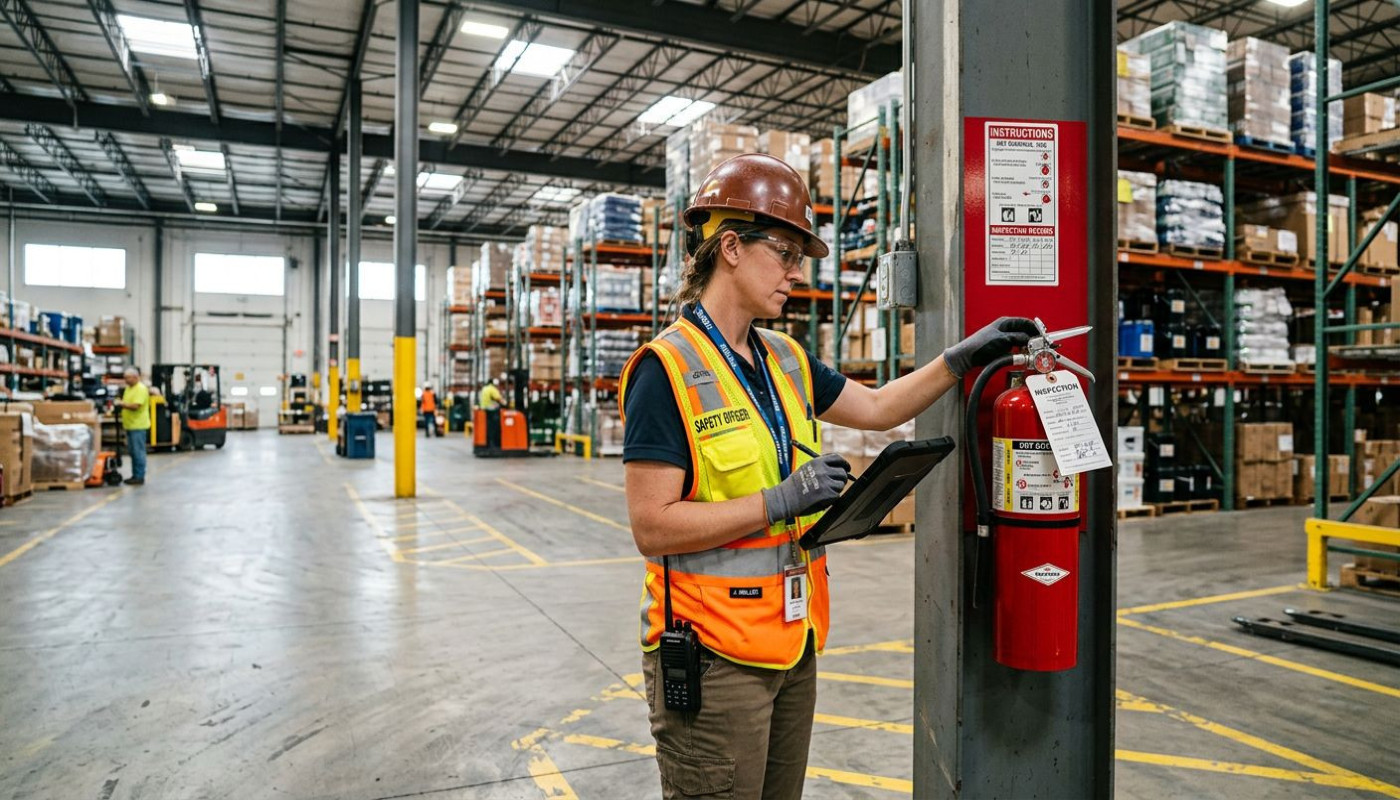
Proper fire alarm inspection is vital to guarantee system functionality and compliance before a fire safety audit. All fire safety systems, including fire alarms, extinguishers, emergency lighting, and sprinkler systems, should be checked for correct placement and accessibility. The fire safety officer must ensure that alarms are installed in strategic locations and that manual call points are clearly visible and unobstructed. Extinguisher testing is also necessary, with each unit examined for correct pressure levels, intact seals, updated servicing tags, and easy access. For emergency lighting, verify operational status, proper illumination, and positioning in critical escape routes to facilitate safe evacuation during a power failure.
Sprinkler system checks involve inspecting control valves, sprinkler heads, and associated piping to confirm there are no blockages, leaks, or signs of tampering. Regular, scheduled testing and maintenance for all fire safety systems ensure consistent performance, making them audit-ready at any time. Proper documentation of inspection results, as referenced in the fire safety logbook, demonstrates due diligence and system reliability during the audit. Ultimately, a proactive approach, led by the fire safety officer, secures regulatory compliance and enhances building occupant protection.
Training staff and conducting drills
Staff training is fundamental in fire prevention and workplace safety, as it ensures all employees clearly understand emergency procedures and their specific roles during an incident. The fire safety officer, who holds primary responsibility, should deliver comprehensive staff training sessions that cover fire response actions, the location of firefighting equipment, and the details of the evacuation protocol. Running regular fire drills is vital to reinforce learning; these drills allow staff to practice emergency evacuation under simulated conditions, helping to identify challenges in real time. For a fire drill to be effective, it must be unannounced, involve all employees on-site, and closely mirror potential real-life scenarios. This hands-on approach enables individuals to internalize the correct emergency procedure and boosts overall workplace safety.
Documenting and evaluating fire drills is necessary for ongoing improvement and regulatory compliance. After each drill, the fire safety officer should complete a detailed report that includes the drill’s date and time, duration, observations on staff behavior, and any deviations from the established evacuation protocol. Gathering feedback from participants helps highlight areas for improvement and may reveal gaps in staff training or unclear fire response duties. Analyzing these outcomes enables the workplace to refine its emergency plans, update staff training materials, and enhance future fire drill effectiveness, thus maintaining a high standard of readiness and safety.
Addressing audit findings and improvements
After receiving the audit report from a fire safety audit, the fire safety officer should carefully review all documented findings and recommendations. Begin by categorizing areas of concern according to fire risk severity and urgency, placing immediate focus on those that could compromise safety. Developing a corrective action plan is the next step, where specific corrective actions are assigned clear deadlines and responsible individuals. Prioritizing solutions based on risk and potential impact will help ensure that resources are allocated efficiently. For safety upgrades such as improved signage, enhanced alarm systems, or updated escape routes, coordination with relevant stakeholders is key to seamless implementation.
Continuous improvement should be integral to fire safety management. Establish a process for routinely tracking the effectiveness of each corrective action plan and verify that fire risk is consistently reduced through the changes made. This can be achieved by scheduling follow-up inspections, collecting feedback from occupants, and maintaining updated records of all safety upgrades. Regular review of the audit report results and implemented solutions supports a proactive culture, helping to prevent issues from recurring and driving ongoing enhancements in fire safety standards.
Similar

Should Responsibility Start At The Payment Process For Casino Users?

Exploring The Impact Of Regional Economic Cooperation On Local Development

Exploring The Surge Of Food-Themed Casino Games In Online Platforms

Essential Guide To Choosing Secure Online Payment Methods

How Do Modern Slot Games Integrate Music And Themes?

How Do Chicken-Based Casino Games Compare To Traditional Slots?

Strategies For Secure And Efficient Online Casino Payments

Comparing Crash Gambling Games: Features And Excitement

How To Choose The Best Online Casino For Slot Enthusiasts?